
Discover how structured cabling impacts your office network setup. A strong cabling foundation is essential for reliable network performance and growth.

October 29, 2026
Structured cabling works as a single, unified system, so a flaw in any one part can quietly degrade performance for every device that depends on it. Investing in premium hardware won’t fix problems caused by neglected cabling. The real foundation of network reliability is built behind the scenes.
A single faulty cable run can throttle an entire network before anyone touches a switch or router. The symptoms rarely point to their source: devices slow down, connections drop, and troubleshooting turns into guesswork, because the cause hides behind a wall rather than inside a machine.
A weak cable, a corroded connector, or a sloppily wired patch panel can drag down every device that depends on it, and the damage rarely announces itself right away. It builds slowly instead, until the cost surfaces as lost productivity and frustrated users.
Structured cabling is the system behind all of this, not just the wires themselves. It supports the entire office network setup end to end, from the server room to every desk, and when each piece is installed to work with the others, the network runs smoothly and stays easy to manage.
That coordination matters most when planning network installation services in New York City, where understanding how each piece fits together heads off expensive surprises later. A solid foundation keeps a business moving even as its needs grow.
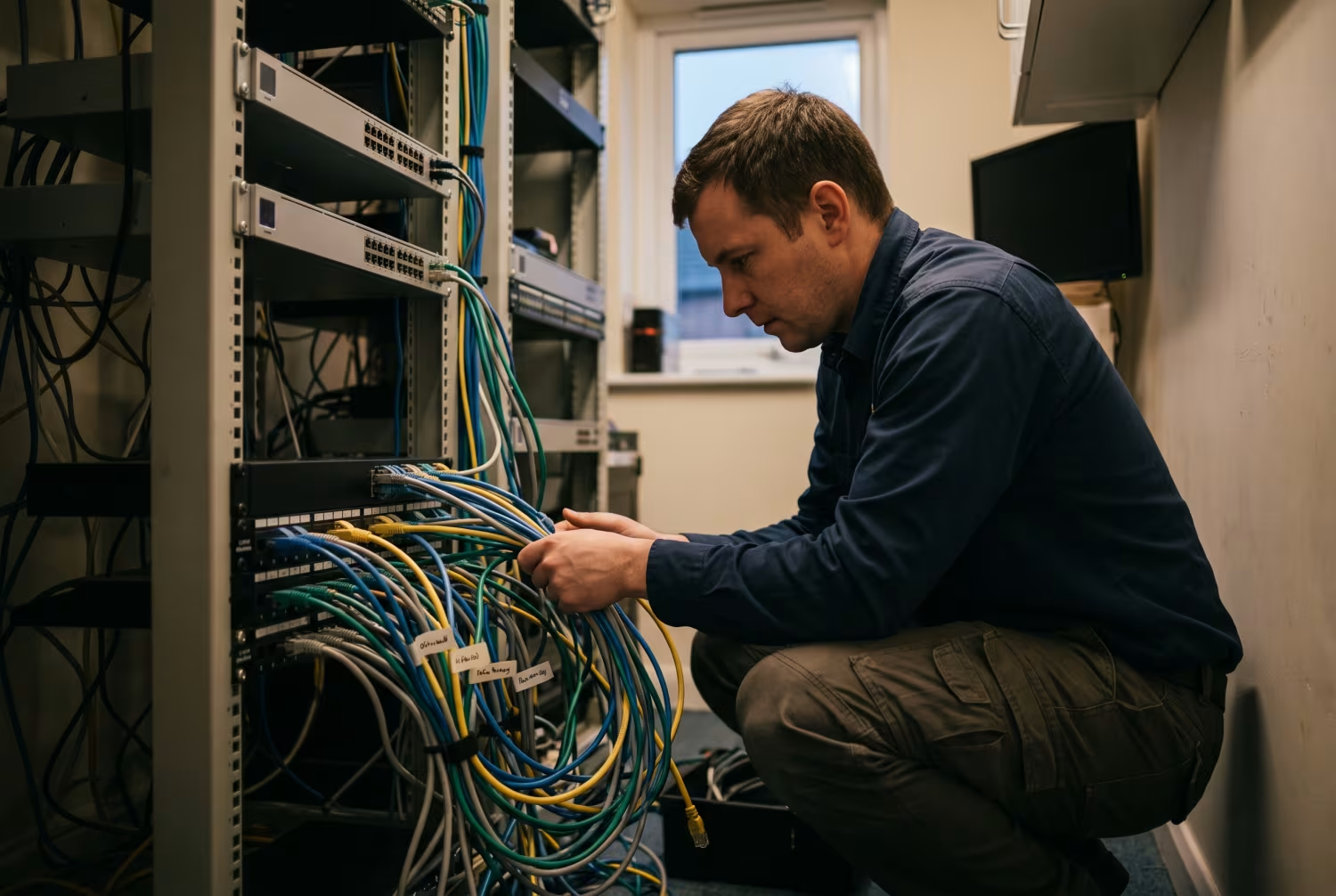
Most network problems don't start with the devices sitting on a desk; they begin in the cable runs nobody thinks about. A single poor-quality cable or a loose connection can quietly slow an entire network, and that happens because structured cabling behaves as one unified system rather than a pile of individual wires.
So when one part underperforms, the whole system absorbs the loss. A damaged backbone cable or a poorly terminated patch panel can cause every downstream device to lag or drop its connection, and because the symptoms show up as random glitches, tracing them back to the real source gets difficult fast.
In a busy office, those small problems compound. Employees blame their computers or the Wi-Fi, while the actual fault sits behind the walls, which is exactly why treating cabling as an afterthought turns into ongoing headaches and rising support costs.
A structured cable system is not just cable run from point A to point B; it is built to work as one interconnected network, with backbone cables, horizontal runs, patch panels, and end connectors all supporting one another.
Installing a system like this means building a foundation everything else depends on, so if one subsystem—say, the cabling between floors—has a flaw, every device connected to it feels the effect. A problem in one corner of the system can quietly degrade performance everywhere else.
Picture the network as a chain: its strength depends on every link holding. Upgrade the switches while leaving old or damaged cable in place, and the investment won't pay off in full, because every piece has to work together for the results to show.
Buying the newest switches or access points feels like the obvious fix, but when the structured cabling underneath is weak, even top-tier equipment can't perform to its potential.
High-end hardware depends on a clean, reliable signal, so damaged cable, poor terminations, or runs that fall short of current cabling standards translate directly into slow speeds and unreliable connections. The hardware can only work with the signal it receives.
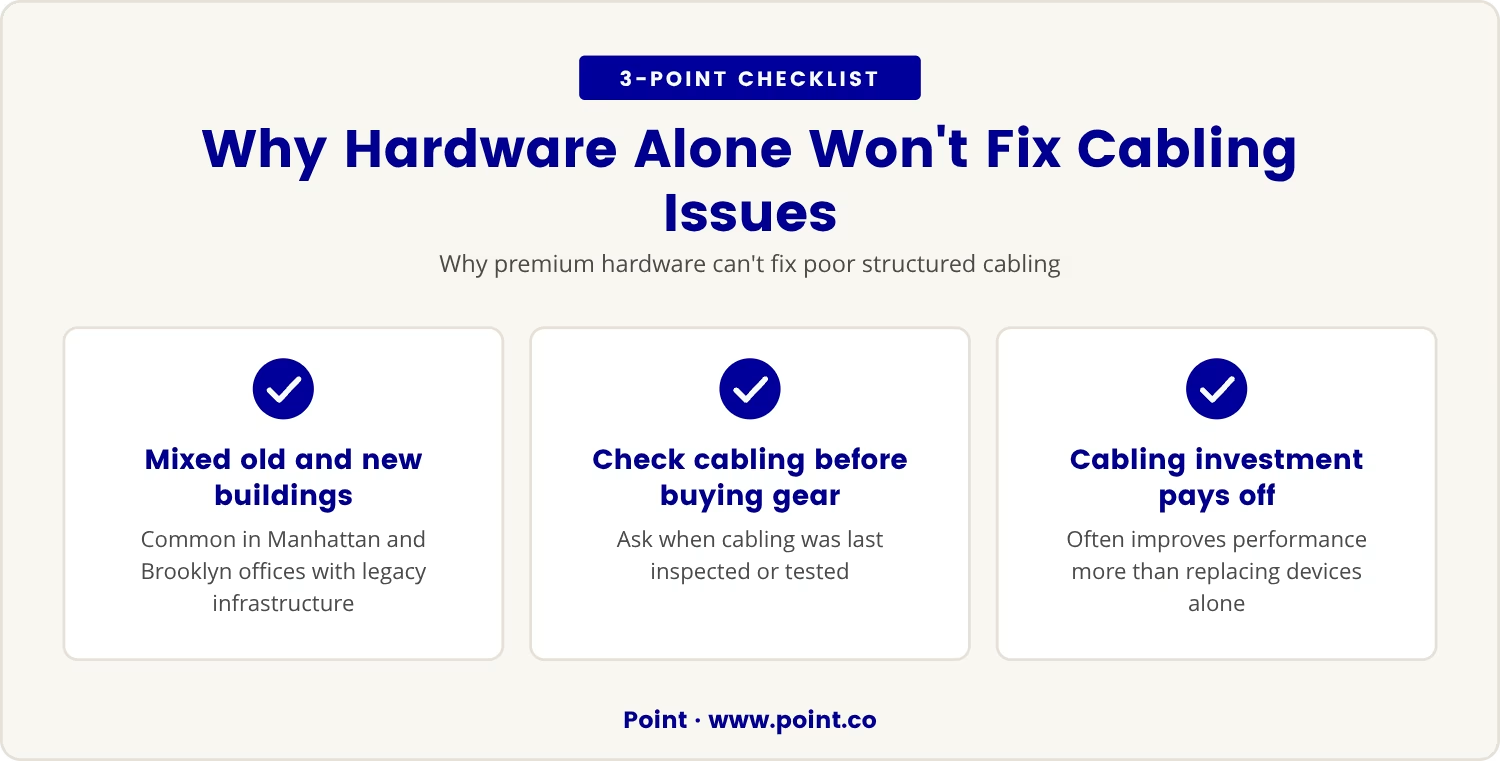
That reality shows up often in places like Manhattan and Brooklyn, where office buildings commonly mix old infrastructure with new, and upgrading devices without addressing the cabling underneath just reproduces the same problems in a newer shell.
Before spending on new equipment, it's worth asking: when was the cabling last inspected or tested? A modest investment in cable infrastructure often delivers a bigger improvement than replacing devices alone.
A well-designed structured cabling system breaks down into several parts, each with its own role to play. Here's how they fit together:
These connect different parts of a building, carrying data between floors or sections. A weak backbone cable slows the whole network down.
This runs from the telecommunications room to individual workstations. It's the most visible part of the system and needs to stay consistent and reliable.
Patch panels organize and connect cables, which makes managing and troubleshooting the network easier. A poorly wired panel can cause issues that spread widely.
These are the connection points at desks or workstations. Loose or damaged outlets disrupt the user's experience directly.
This is where the network connects to outside services. Problems here ripple through everything inside the building.
These house the core network devices. Clean, organized cabling here makes upgrades and repairs far simpler.
Each subsystem in a network depends on the others to function smoothly, so when one part is weak, it quietly drags down the performance of the whole.
High-quality backbone cable paired with outdated horizontal cabling still leaves users with slow speeds, just as a well-installed patch panel offers no benefit if the cables plugged into it are damaged or mislabeled.
Because the pieces are interconnected, a problem in one area ripples through the rest of the business. Troubleshooting grows more complex, downtime increases, and that chain reaction is exactly why every part of a structured cabling system deserves equal care.
As an organization grows, its network needs shift with it. What supported 20 users may buckle under 100 or more, which is why regular reviews of structured cabling catch weak links before they turn into bigger problems.
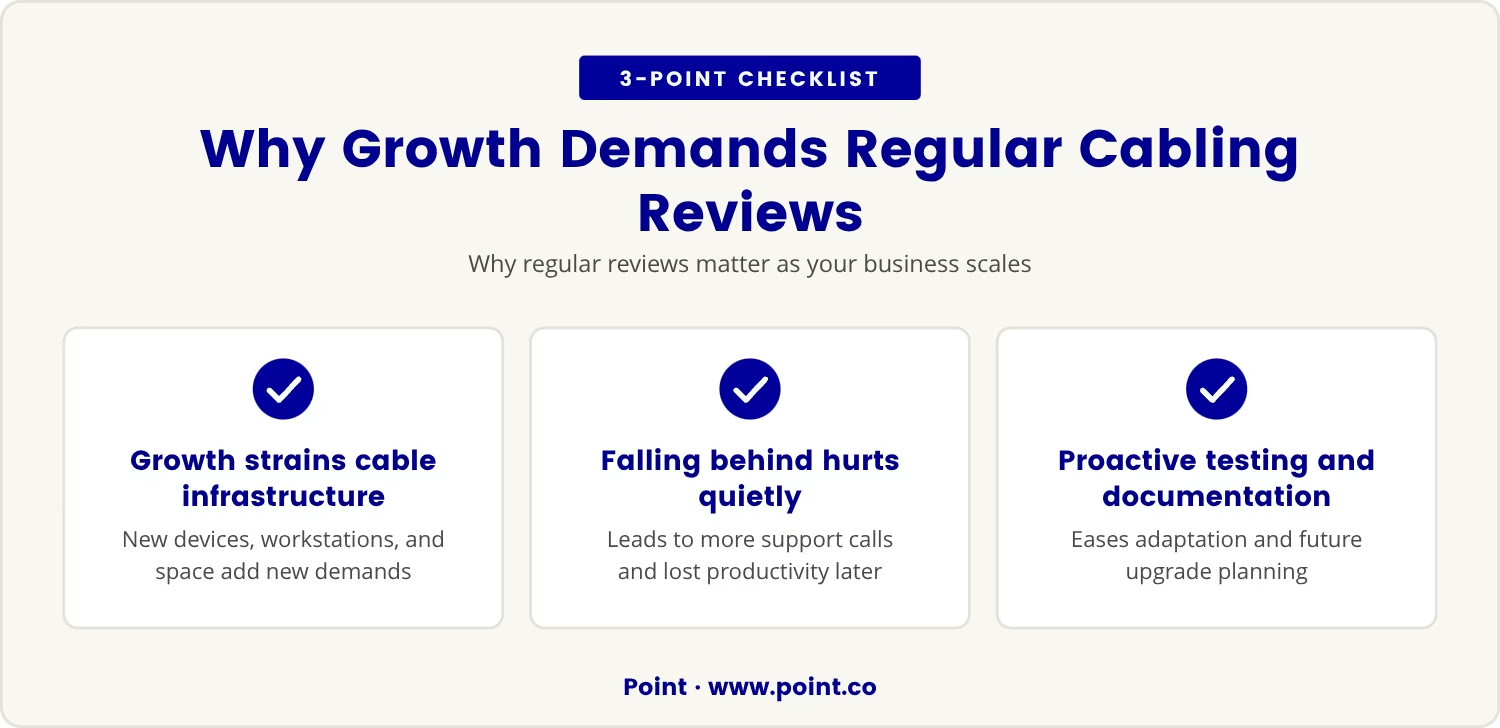
Scaling up usually means adding devices, moving workstations, or expanding into new space, and each change places new demands on the cable infrastructure. Falling behind on those demands lets performance degrade quietly, which shows up later as more support calls and lost productivity.
A proactive approach—testing, labeling, and documenting the cabling—makes it easier to adapt as needs evolve, and it also supports planning future upgrades without costly surprises down the road.
No matter how advanced the network hardware is, it cannot overcome a weak cabling foundation underneath it, since every device, from servers to laptops, depends on the quality of that underlying system.
Treating structured cabling as a single, interconnected system is what delivers the performance and reliability a business expects. Addressing weak links early protects that investment and sets the organization up for smooth growth.

Many organizations with 15 to 200 users, especially those scaling beyond 40, find that network slowdowns and connection issues often trace back to overlooked cabling. At Point, we understand how frustrating it is to invest in hardware upgrades only to see little improvement.
If you’re ready to see how a strong cabling foundation can support your business, let’s talk about your current setup or how we approach structured cabling projects in NYC.
Qualifying businesses can receive up to $5,000 in free network upgrades—an opportunity to address weak links and support your growth with no upfront cost.
Claim your free network upgrade
Point-to-point cabling connects devices directly with individual cables, often resulting in a messy, hard-to-manage setup. Structured cabling uses a planned system of cables and components, which makes managing, scaling, and troubleshooting the network far simpler.
The main components include backbone cables, horizontal cabling, patch panels, work area outlets, entrance facilities, and equipment rooms. Each part plays a specific role in supporting the network's performance and reliability.
Watch for signs like frequent connection drops, slow data transfers, or difficulty adding new devices. If the cabling hasn't been reviewed or tested in several years, scheduling an inspection is a sensible next step.
Yes, following recognized cabling standards such as TIA/EIA along with local building codes is essential. These standards help ensure safety, performance, and future compatibility for a business in NYC.
A patch panel organizes and connects network cables, which makes managing and troubleshooting the system easier. It allows for quick changes and keeps the network organized as the business grows.