Explore cloud migration solutions, cloud migration benefits, and the benefits of cloud migration. Learn actionable strategies for a secure, efficient migration.

September 25, 2026
Businesses face more cyber risks than ever, and many are looking for reliable ways to protect their data and operations. Managed threat detection and response is a practical solution that helps organizations spot and stop threats quickly. In this blog, you’ll learn what managed detection and response is, how it works, the main components, and the benefits for your security team. We’ll also cover key features, common challenges, and best practices for getting the most out of an MDR service. Whether you’re new to cybersecurity or looking to improve your current setup, this guide will help you understand the essentials of managed threat detection.
Managed threat detection and response is a service that helps businesses find and stop cyber threats before they cause damage. Instead of handling everything on your own, you work with a team of experts who monitor your systems, investigate suspicious activity, and take action when needed. This approach is especially useful for organizations that don’t have a large in-house security team or the latest tools.
The main goal is to improve your security posture by combining advanced technology with skilled professionals. With managed detection and response, you get around-the-clock monitoring, quick incident response, and guidance on how to handle threats. This service is designed to keep up with the evolving threat landscape, so you’re always protected against new and sophisticated attacks.
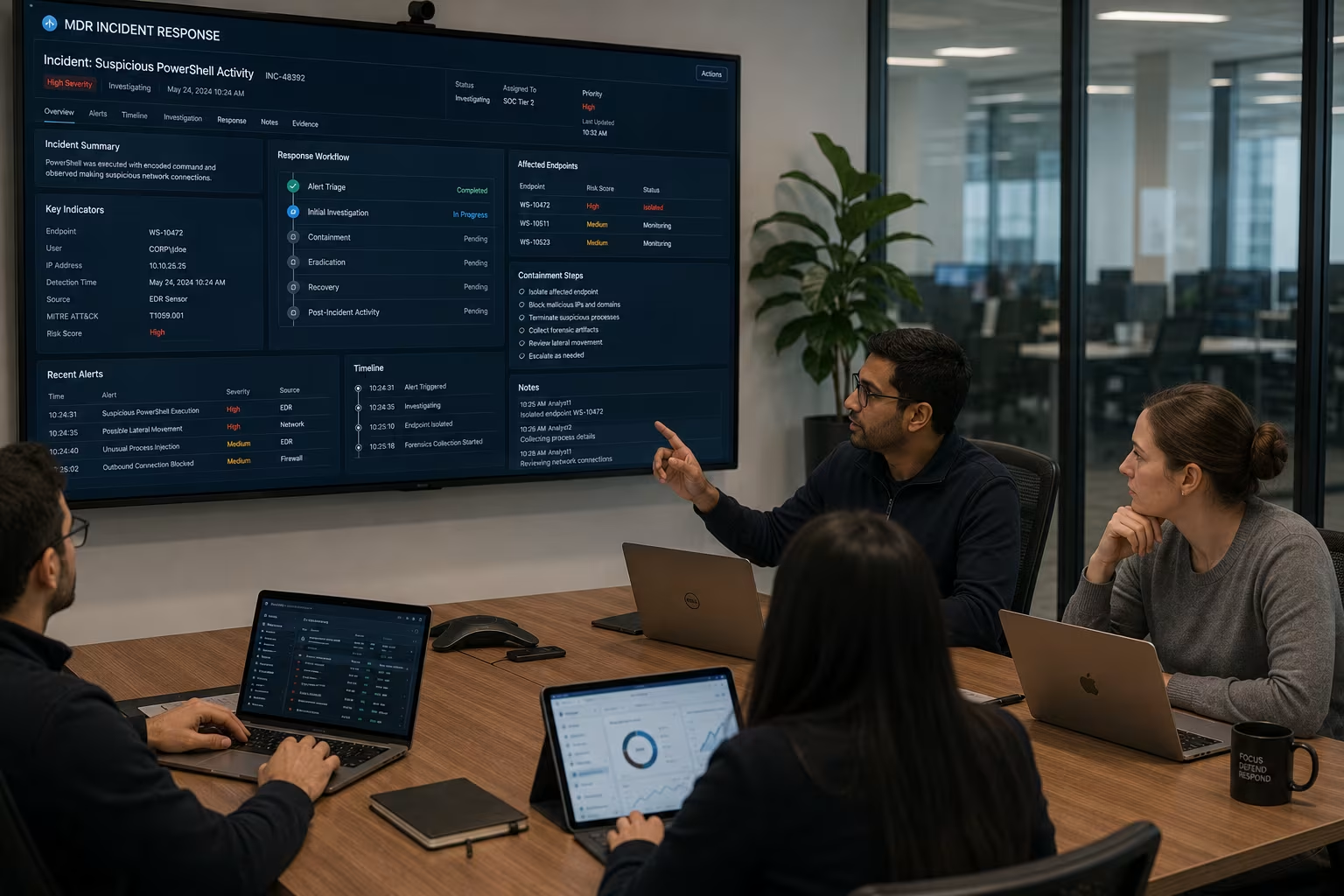
To get the most out of managed threat detection and response, there are several strategies you should know. These steps help ensure your organization is ready to detect, investigate, and respond to threats quickly and effectively.
Start by understanding what managed detection and response is and how it fits into your business. This means knowing your risks, setting clear goals, and choosing the right MDR provider who understands your industry and needs.
Make sure your MDR service works well with your current cybersecurity tools, like endpoint detection and response (EDR) and security information and event management (SIEM). This integration gives you better visibility and faster response times.
Work with your provider to set up real-time threat monitoring and automated response actions. This helps your security team react quickly to incidents and reduces the impact of attacks.
Threat intelligence helps you understand the latest cyber risks and attack methods. By using this information, your MDR solution can spot unusual activity and stop threats before they spread.
Even with managed services, your staff should know how to respond during a security event. Regular training and clear communication with your MDR provider make your response more effective.
Cyber threats change fast, so review your detection and response services often. Update your policies and tools to stay ahead of new risks.
Here are some of the top reasons businesses choose managed threat detection and response:
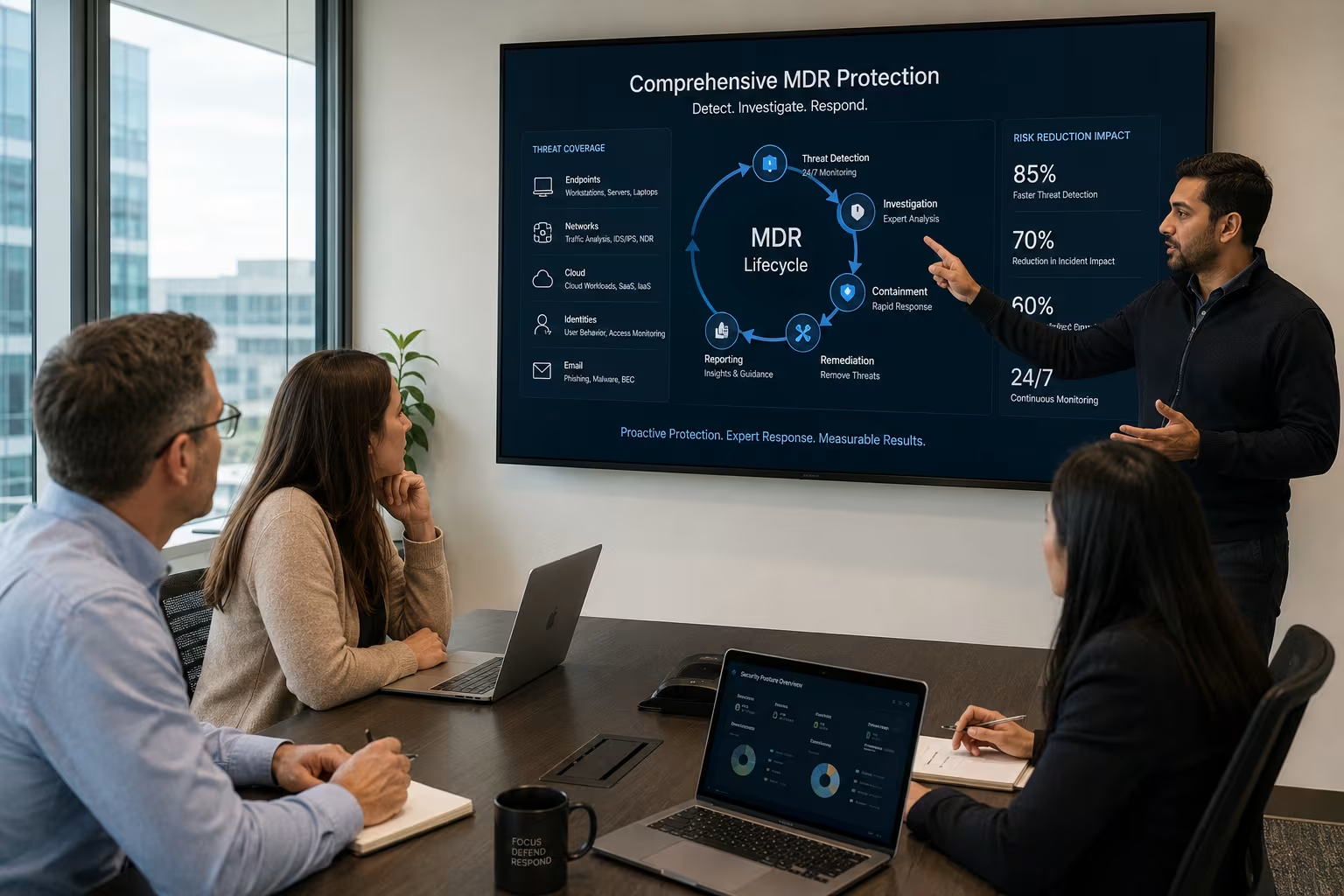
A managed threat detection and response service is made up of several important parts. First, it includes advanced monitoring tools that watch your network, endpoints, and cloud systems for signs of trouble. These tools use automated responses to quickly stop attacks and limit damage.
Second, the service relies on a skilled security operations center (SOC) team. These professionals analyze alerts, investigate incidents, and guide you through the response process. They also use threat hunters to look for hidden threats that automated tools might miss.
Finally, managed detection and response combines technology and human expertise to deliver effective protection. This means you get both real-time threat detection and hands-on support during incidents.
There are several ways to protect your business, but MDR stands out for its mix of technology and expert support. Here’s a closer look at how MDR compares to other options.
A managed security service provider (MSSP) focuses on monitoring and alerting, but may not offer hands-on incident response. MDR goes further by actively investigating and responding to threats.
Managed SIEM services collect and analyze security event data, but often require your team to take action. MDR providers offer guided response and handle more of the process for you.
EDR tools focus on endpoint detection, while extended detection and response (XDR) covers more systems. MDR combines these tools with expert analysis and response capabilities.
Building your own security team can be costly and hard to manage. MDR helps by providing access to skilled professionals and current technology without the overhead.
Automated tools are fast, but they can miss sophisticated threat activity. MDR offers a balance of automation and human insight for better results.
MDR providers offer proactive threat hunting, searching for threats that haven’t triggered alerts yet. This helps catch attacks early and reduce risk.

To get started with managed threat detection and response, first assess your current security setup. Identify gaps in your detection capabilities and decide what level of support you need. Next, research MDR providers and ask about their experience, technology, and response times.
Once you choose a provider, work together to set up monitoring and response processes. Make sure your team knows how to communicate with the SOC and what to do during an incident. Regularly review your service to ensure it meets your needs and adapts to new threats.
Follow these tips to get the most value from your MDR solution:
By following these steps, you can strengthen your defenses and respond quickly to cyber threats.
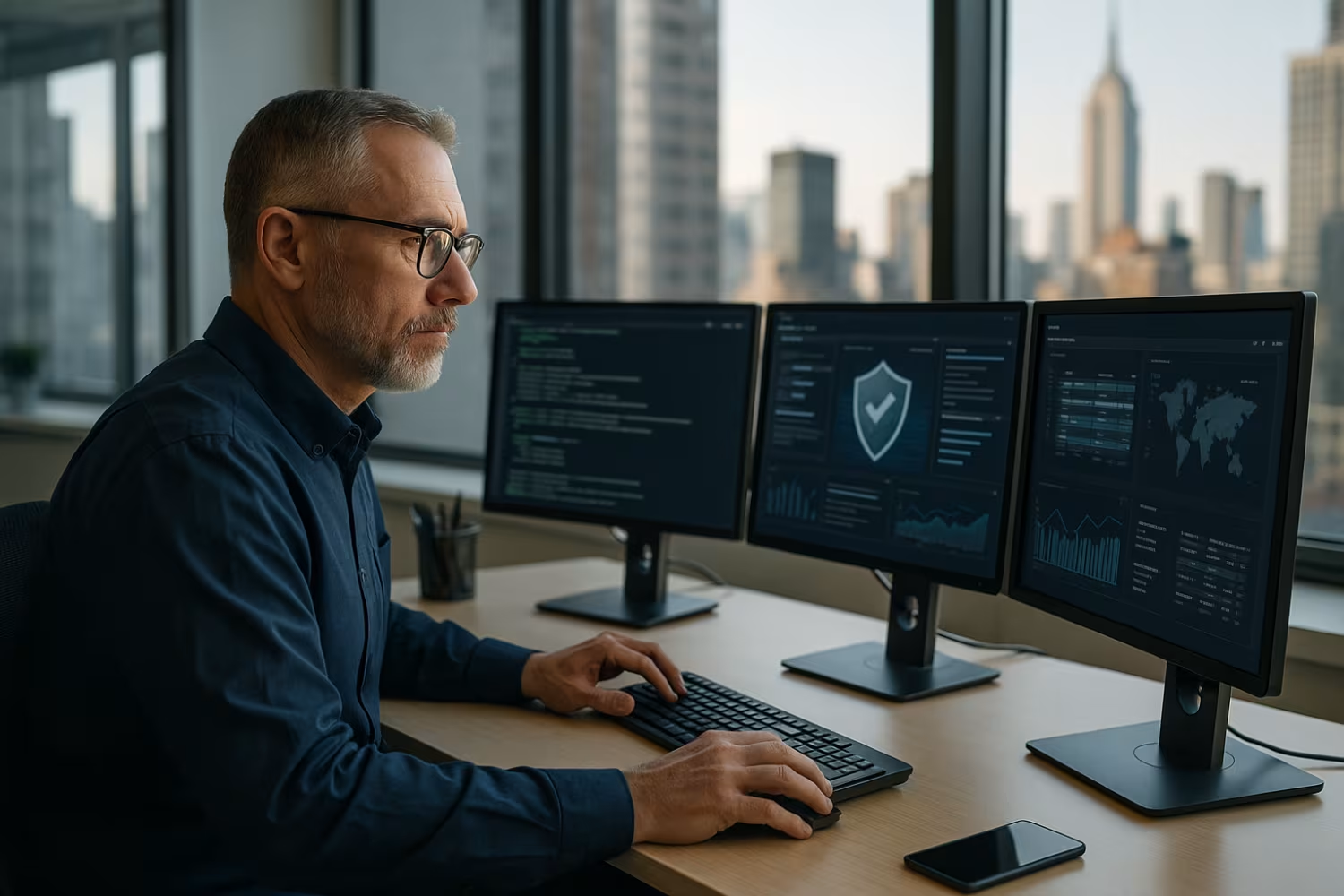
Are you a business with 15–200 users, especially if you’re scaling past 40 users? If you’re looking for a reliable way to protect your data, meet compliance, and keep your operations running smoothly, managed threat detection and response is a smart choice. Growing businesses need security that adapts as they expand, and that’s exactly what we offer.
We understand the challenges of staying secure in a busy, always-connected city. Our team combines advanced technology with real experts to deliver a fast, effective response across your systems. If you’re ready to improve your security posture and reduce risk, contact us today to see how Point can help.
Managed detection and response (MDR) is a cybersecurity service that combines advanced monitoring tools with expert analysis to find and stop threats. By using MDR, your business gains access to a security operations center that watches your systems 24/7 and responds quickly to incidents. This helps you reduce risk and keep your data safe.
MDR offers both technology and human expertise, which means threats are detected faster and handled more effectively. For organizations without a large security team, MDR provides the support needed to handle today’s complex threat landscape.
An MDR service goes beyond basic monitoring by actively investigating and responding to threats, not just alerting you. Unlike a managed security service provider that may only notify you of issues, MDR providers offer guided response and hands-on support during incidents.
This approach improves your detection and response capabilities, helping you stop attacks before they cause damage. MDR combines real-time threat detection with skilled professionals who know how to handle sophisticated threat activity.
When selecting an MDR provider, look for experience with your industry, strong incident response capabilities, and proven technology. Ask about their detection capabilities, response actions, and how they handle real-time threat monitoring.
A good provider will offer proactive threat hunting and clear communication with your team. Make sure they can scale as your business grows and adapt to the evolving threat landscape.
MDR solutions often work closely with EDR tools to monitor endpoints like laptops and servers. This integration allows for faster detection of suspicious activity and automated response to threats.
By combining MDR with EDR, your organization benefits from both automated tools and expert analysis. This helps catch attacks early and reduce the risk of data breaches.
The main components of MDR include advanced monitoring technology, a skilled security team, and proactive threat hunting. These elements work together to provide around-the-clock protection and rapid incident response.
By using both automated systems and human expertise, MDR helps your organization stay ahead of new and sophisticated threats. This approach improves your overall security posture and reduces downtime.
Managed SIEM collects and analyzes security event data from across your network, while MDR focuses on investigating and responding to threats. When combined, these services give you a complete view of your security environment.
This partnership allows for faster response times and more effective detection of hidden threats. By working together, managed SIEM and MDR help your business stay protected against a wide range of cyber risks.