Explore cloud migration solutions, cloud migration benefits, and the benefits of cloud migration. Learn actionable strategies for a secure, efficient migration.

September 25, 2026
Cloud migration consulting is now a must-have for businesses looking to stay competitive and efficient. If you want to migrate to the cloud, you need a solid migration strategy, the right cloud service, and expert guidance. In this blog, you’ll learn what cloud migration consulting is, the steps involved, common mistakes to avoid, key benefits, and practical tips for a smooth migration journey. We’ll also cover how automation, optimization, and compliance play a role, and what to expect from a cloud migration consultant.
Cloud migration consulting helps organizations move their data, applications, and workloads from on-premises data centers to cloud platforms. This process is more than just copying files—it involves planning, risk assessment, and making sure your business keeps running smoothly during the migration. A cloud migration consultant works with you to design a migration plan that fits your business goals and technical needs.
Consulting services often include evaluating your current IT environment, choosing the right cloud provider, and creating a roadmap for the move. With the rise of hybrid cloud and multi-cloud strategies, having expert guidance can help you avoid costly mistakes and disruptions. Whether you’re considering Google Cloud, AWS, or Microsoft Azure, the right consultant can help you optimize your cloud environment for performance and cost savings.
Moving to the cloud can be tricky. Here are some common mistakes businesses make and how you can avoid them.
Not understanding your current IT setup can lead to surprises during migration. Always start with a full assessment of your data center, applications, and workloads. This helps you spot potential issues and plan for them.
Some businesses think migration will be quick and painless. In reality, downtime can happen if you don’t plan properly. Make sure you have a clear migration plan and communicate with your team about possible disruptions.
Every region has its own rules for data security and privacy. If you ignore compliance, you could face fines or legal trouble. Work with a consultant who understands local regulations and can help you stay compliant.
Not all cloud platforms are the same. Picking the wrong one can limit your scalability and increase costs. A cloud migration consultant can help you choose the right cloud solution for your needs.
After migration, some companies stop paying attention to their cloud setup. Regular optimization is key to keeping costs down and performance high. Use automation tools to monitor and adjust your resources as needed.
Your business will grow and change. If your migration strategy doesn’t account for future needs, you’ll end up doing more migrations later. Plan for scalability from the start.
Working with experts brings real advantages:
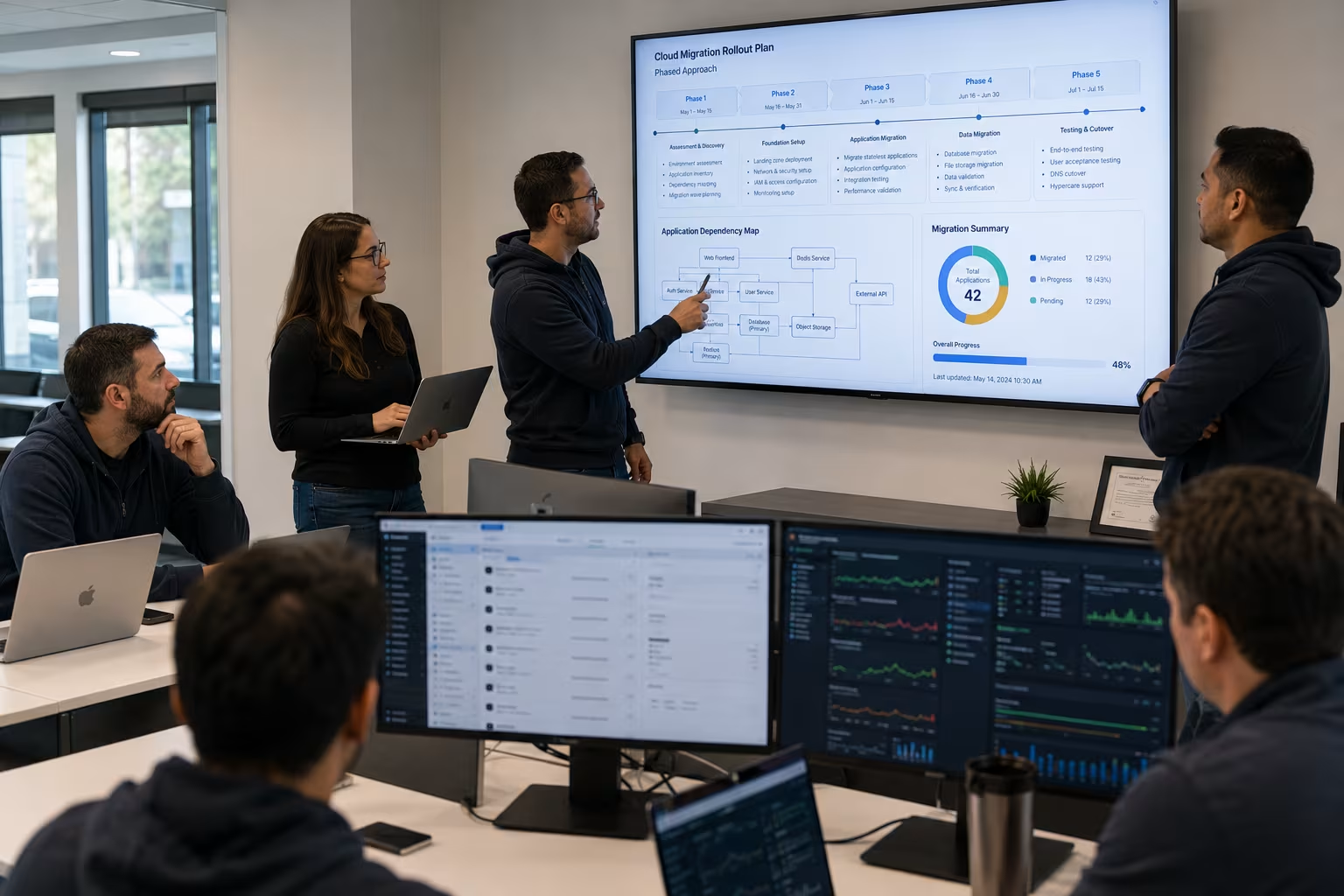
A cloud migration consultant is your guide through the migration journey. They start by learning about your business, your IT systems, and your goals. Then, they help you build a migration roadmap that covers every step—from initial assessment to final deployment.
Consultants also help you choose the right cloud provider, whether it’s AWS, Google Cloud, or Microsoft Azure. They know the strengths and weaknesses of each platform and can recommend the best fit. Their experience with migration services means they can spot potential issues before they become problems, saving you time and money.
Having a plan makes all the difference. Here are some strategies to help you migrate smoothly.
Put together a team with IT, security, and business experts. This ensures you cover all bases and make informed decisions throughout the migration.
Automation tools can handle tasks like data transfer and testing, reducing errors and speeding up the process. This frees up your team to focus on more complex issues.
Always test your migration plan in a controlled environment. This helps you catch problems early and avoid surprises during the actual move.
After migration, keep an eye on your cloud environment. Use monitoring tools to track performance and optimize resources, so you don’t overspend.
Security should be part of your migration plan from the start. Make sure your data is protected during transfer and in the cloud.
Keep detailed records of your migration process. This makes it easier to troubleshoot issues and helps with future migrations or audits.

Implementing cloud migration consulting services requires careful planning and clear communication. Start by defining your business outcomes and what you want to achieve with the migration. Set realistic timelines and assign responsibilities to team members.
Next, work with your consultant to develop a migration roadmap. This should include key milestones, risk assessments, and contingency plans. Make sure everyone involved understands their role and what’s expected at each stage.
Finally, focus on training and support. Your team will need to learn new tools and processes, so invest in training sessions and provide ongoing support. This helps ensure a smooth transition and minimizes disruption to your business.
Following proven best practices can make your migration smoother and more successful:
Sticking to these practices can help you avoid common pitfalls and get the most value from your cloud investment.
Are you a business with 15–200 users, especially if you’re scaling past 40? If you’re looking for expert help to move your operations to the cloud, our team can guide you every step of the way. We understand the challenges growing businesses face, from managing complex workloads to staying compliant with local regulations.
We specialize in cloud migration consulting for organizations that want to optimize costs, improve agility, and minimize disruption. Let us help you build a migration strategy, choose the right cloud solution, and ensure a smooth transition. Contact us today to see how we can support your migration journey.
Cloud migration means moving your data and applications from on-premises systems to a cloud environment, while traditional migration usually involves moving between physical servers or data centers. Cloud migration consulting helps you plan, execute, and optimize this process for better scalability and cost savings.
Unlike traditional migration, cloud migration often includes automation and optimization tools, making the process faster and less risky. It also allows you to take advantage of cloud-native features and services that aren’t available with older systems.
A cloud migration consultant provides expert guidance on building a migration strategy that fits your business needs. They assess your current IT setup, recommend the right cloud provider, and help you avoid common mistakes.
Consultants also ensure compliance with regulations and help you optimize your cloud environment for performance and cost. Their experience can save you time and reduce the risk of costly errors during migration.
AI can automate repetitive tasks like data mapping and testing, speeding up the migration process and reducing errors. It also helps with workload optimization by analyzing usage patterns and recommending resource adjustments.
Using AI in cloud migration consulting services gives you deeper insights into your IT environment, making it easier to plan for future growth and avoid disruptions. This leads to better business outcomes and lower infrastructure costs.
Google Cloud and AWS offer different migration services, tools, and pricing models. Google Cloud focuses on ease of use and integration with its AI and analytics platforms, while AWS offers a wide range of migration tools and global infrastructure.
Choosing the right provider depends on your business needs, existing systems, and long-term goals. A cloud migration consultant can help you compare options and select the best fit for your migration journey.
A typical migration journey includes assessment, planning, testing, migration, and optimization. Each step is important for minimizing downtime and ensuring a smooth transition.
Cloud migration consulting services guide you through each phase, helping you set clear goals, manage risks, and monitor progress. This structured approach increases your chances of a successful migration.
Optimization ensures you’re using cloud resources efficiently, which helps control costs and improve performance. After migration, regular reviews can identify unused or underused resources.
Cloud migration consulting services use automation and monitoring tools to keep your cloud environment running smoothly. This ongoing process supports business growth and helps you get the most value from your investment.