
Discover how structured cabling impacts your office network setup. A strong cabling foundation is essential for reliable network performance and growth.

October 29, 2026
When it comes to keeping your company running, knowing the difference between business continuity and disaster recovery is crucial. Businesses face risks from cyber threats, natural disasters, and unexpected outages that can halt business operations. In this blog, you’ll learn what sets business continuity and disaster recovery apart, how each plan works, and why both are essential. We’ll also cover the steps to build a strong strategy, the benefits of each approach, and practical tips to help you minimize downtime and disruption. By the end, you’ll know how to protect your business processes, restore services quickly, and keep your critical business functions up and running—no matter what happens.
Business continuity vs disaster recovery is a topic that every organization should understand. Both are designed to help you respond to disruptions, but they focus on different parts of your business. Business continuity is about keeping your business running during and after a crisis, while disaster recovery is about restoring IT systems and data after an incident.
If your business faces a cyberattack or a power outage, a business continuity plan helps you continue operating. Disaster recovery, on the other hand, is the process of getting your technology and data back to normal. Both are needed to reduce downtime and protect your business impact. Knowing how they work together is the first step in building a reliable response strategy.
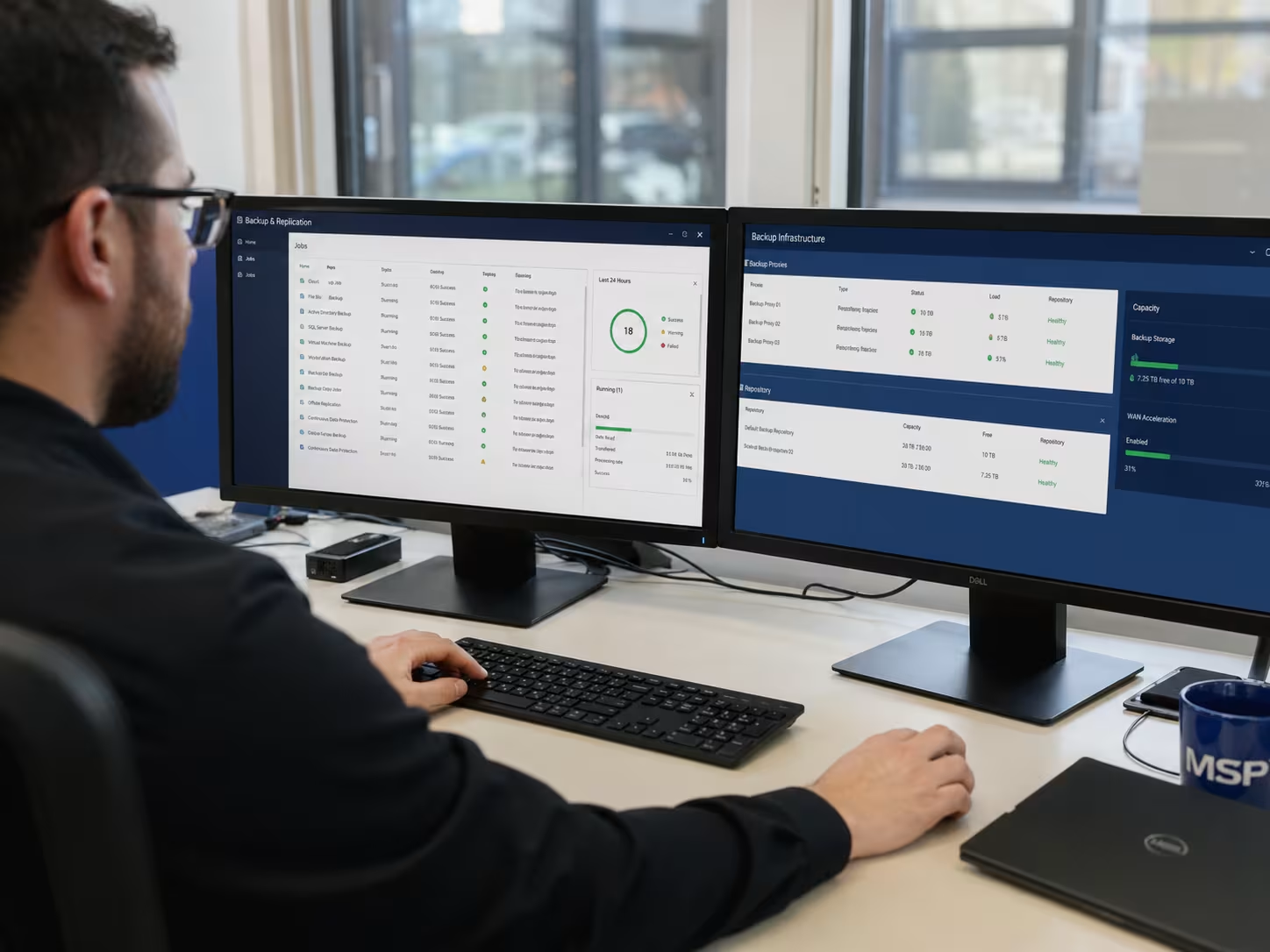
A strong business continuity and disaster recovery approach includes several important steps. Here are the key actions you should take to protect your business:
Start by identifying the risks that could affect your business. This includes everything from cyber threats to natural disasters. Understanding your risks helps you plan for the most likely scenarios and focus your resources where they matter most.
A business impact analysis helps you figure out which business functions are most critical. This step lets you see how disruptions could affect your operations and what needs to be restored first.
Your disaster recovery plan should outline how you’ll restore IT systems, data, and applications after an incident. It should include clear steps, responsible people, and timelines for getting your systems back up and running. You can also look into the business continuity plan for more insights.
A business continuity plan covers how your company will keep operating during a crisis. This includes communication plans, alternate work locations, and ways to keep serving your customers if your main office is unavailable.
Testing your plans with regular drills helps you find gaps and make improvements. Update your plans as your business changes, so you’re always ready for the next challenge.
Make sure everyone knows their roles in a crisis. Training helps your team respond quickly and confidently when disaster strikes.
After any incident or test, review what worked and what didn’t. Use these lessons to make your plans even stronger.
A reliable plan should include these important features:
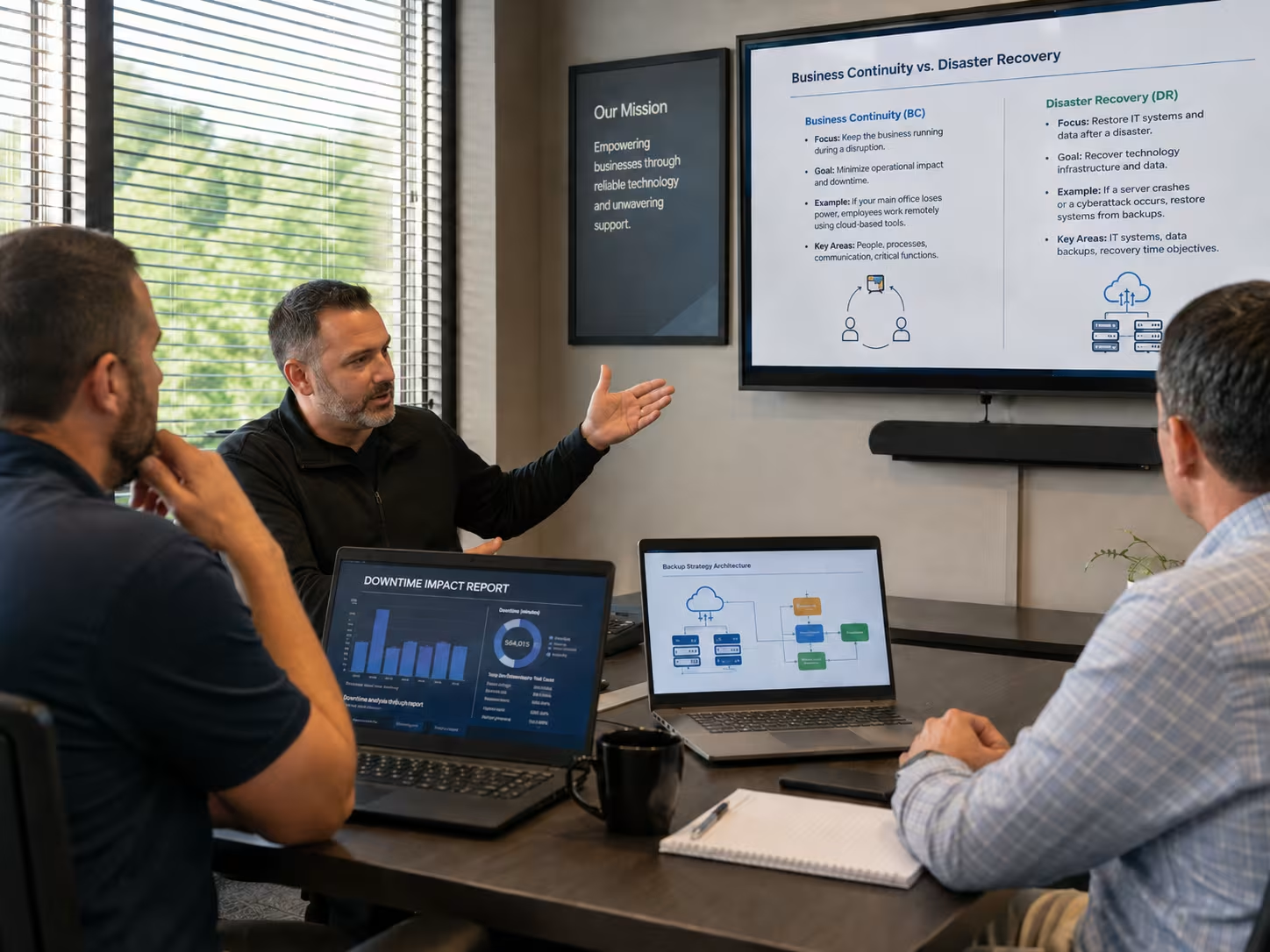
Some companies think they only need one plan, but business continuity and disaster recovery serve different purposes. Business continuity management helps you keep your business running during a crisis, such as a major outage or a natural disaster. It covers everything from customer service to supply chain management.
Disaster recovery is focused on your IT systems. It’s about restoring your data, applications, and technology so you can get back to work. If you only have a disaster recovery plan, you might restore your systems but still struggle to serve customers or manage daily tasks. Having both plans ensures you’re ready for any disruption.
Understanding the difference between a business continuity plan and a disaster recovery plan can help you prepare more effectively. Here are the main ways they differ:
A business continuity plan covers all business processes, from people to facilities. A disaster recovery plan focuses on IT systems and data recovery.
Business continuity starts as soon as a disruption occurs. Disaster recovery usually begins after the immediate crisis is under control and focuses on restoring technology.
The main goal of business continuity is to keep your business operating. Disaster recovery aims to restore systems and data to their original state.
Business continuity involves everyone in your organization, including leadership, HR, and operations. Disaster recovery is usually managed by IT and technical staff.
Both plans need regular testing, but business continuity often includes more frequent drills and scenario planning.
Business continuity plans often need to meet legal or industry requirements. Disaster recovery plans may have to comply with IT standards and data protection rules.
A strong continuity and disaster recovery plan should connect with your risk management and emergency response plans for a complete approach.

Building a BCDR plan takes time, but it’s worth the effort. Start by gathering input from all departments to make sure your plan covers every part of your business. Work with business continuity consulting experts if you need help identifying risks or setting recovery objectives.
Once your plan is in place, test it regularly. Schedule drills for different scenarios, such as a cyberattack or a natural disaster. After each test, review the results and update your plan as needed. This keeps your business ready to respond and helps you avoid costly downtime.
Follow these best practices to get the most from your business continuity strategy:
A strong strategy helps you continue operating and quickly restore services after any disruption.

Are you a growing business with 15–200 users, especially if you’re scaling past 40 users? If you want to protect your business from downtime and keep your operations running smoothly, we can help. Our team understands the unique needs of organizations that are expanding and need reliable systems to support their growth.
We know that business continuity vs disaster recovery planning can be complex. That’s why we offer tailored solutions, expert business continuity consulting, and hands-on support to help you build a plan that works. Contact us today to see how we can help you stay prepared and resilient.
Business continuity focuses on keeping your business operations running during a disruption, while disaster recovery is about restoring IT systems and data after an incident. Both are important, but they serve different purposes. Having both plans helps you minimize downtime and get back up and running quickly.
You should review your disaster recovery plan at least once a year or whenever there are major changes to your IT systems or business processes. Regular updates help you stay ready for any outage or cyber threat. Testing your plan ensures your team knows how to respond and restore services fast.
Backups are just one part of a strong business continuity plan. The plan also covers how you’ll communicate with staff and customers, keep critical business functions going, and manage disruption. Relying only on backups could leave you unprepared for bigger challenges.
A good continuity and disaster recovery plan should include recovery strategies, clear roles for your team, and steps for restoring business operations. It should also outline how to handle different types of disaster, from cyberattacks to natural disasters. Regular testing and updates are key.
Business continuity management should involve leadership, IT, HR, and other key stakeholders. Each department plays a role in keeping your business running during a crisis. Involving everyone ensures your plan covers all business impact areas and recovery processes.
High availability systems are designed to keep your services running even if part of your infrastructure fails. These systems help you avoid downtime and continue operating during an outage. They are a key part of any business continuity strategy.